Park Bank has received reports that clients are receiving fraudulent phone calls impersonating the bank. We will never call you and ask for your online banking credentials. If you believe you have given out any account information, please hang up and contact our At Your Service Team immediately at 608.278.2801.
A strategic plan is more than a document. It's a roadmap that helps organizations align resources, engage stakeholders, and make meaningful progress toward their mission.
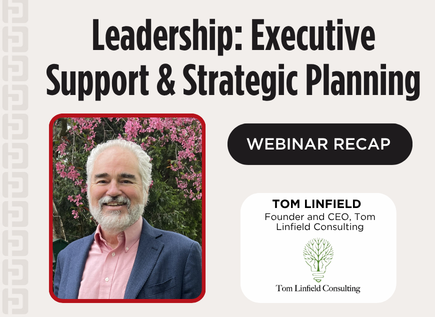
During Park Bank's recent webinar, Strategic Planning for Nonprofits, nonprofit consultant Tom Linfield shared practical insights drawn from decades of experience working with nonprofit organizations of all sizes. From one-person nonprofits to organizations managing major capital projects, his message was clear: strategic planning is not simply about creating a plan. It's about creating alignment, engagement, and direction.
Here are some of the key takeaways from the discussion.
Strategic Planning is About More Than a Written Plan
When organizations think about strategic planning, it's easy to focus on the final document. Linfield encouraged nonprofit leaders to look at the process through a broader lens.
The true value of strategic planning comes from asking important questions, engaging stakeholders, and creating a shared understanding of where the organization is headed. The process allows teams to evaluate current strengths, identify opportunities, address challenges, and prioritize goals.
As organizations grow, strategic planning helps answer fundamental questions:
Where are we today?
Where do we want to be in three to five years?
What resources and partnerships will help us get there?
How will we measure success?
The resulting plan becomes a guide for decision-making, helping organizations stay focused on the initiatives that matter most.
Start with Your Stakeholders
One of the strongest themes throughout the webinar was the importance of involving others in the planning process.
While staff and board members are essential participants, Linfield emphasized that effective strategic planning often includes input from volunteers, donors, community partners, and even the clients an organization serves.
These conversations can reveal valuable insights that internal teams may overlook.
Community members may identify emerging needs. Donors may share ideas for strengthening engagement. Volunteers often see opportunities and challenges from a unique perspective. Clients can provide direct feedback about how programs and services are meeting their needs.
Strategic planning shouldn't happen in isolation. The more perspectives organizations gather, the stronger the plan can become.
Create Space for Big Ideas
Before narrowing priorities, Linfield recommends allowing time for what he called "blue sky dreaming."
This exercise encourages participants to think beyond current staffing, funding, and operational limitations. Instead of asking what's possible today, the conversation focuses on what could be possible years into the future.
What would success look like 10, 20, or even 30 years from now?
What impact would the organization like to have on the community?
What bold ideas could transform services, programs, or outreach?
While not every idea will become a strategic priority, these discussions often spark innovative thinking and help organizations identify long-term aspirations that can inform future decisions.
Focus on Priorities, Not Possibilities
One challenge many nonprofits face is saying no.
Passionate organizations are constantly identifying new ways to serve their communities, launch new programs, and expand their impact. However, one of the most important parts of strategic planning is deciding what to focus on first.
Linfield encouraged organizations to be ambitious but realistic.
Every good idea doesn't need to begin immediately. In fact, spreading resources too thin can make it harder to achieve meaningful progress.
A strong strategic plan identifies the most important priorities and creates a realistic timeline for implementation. Some initiatives may begin right away, while others may be intentionally scheduled for future years.
The goal is not to do everything. The goal is to do the right things well.
Make Goals Measurable
A strategic plan only becomes valuable when it guides action.
That's why measurement and evaluation should be part of the process from the beginning.
For every major goal, organizations should establish measurable outcomes that help answer important questions:
What are we trying to achieve?
How will we know if we're making progress?
Who is responsible for implementation?
When should milestones be reached?
Regular evaluation allows organizations to celebrate successes, identify obstacles, and make adjustments when needed.
Without measurement, it's difficult to know whether the plan is working. With measurement, strategic planning becomes an ongoing management tool rather than a report that sits on a shelf.
Small Organizations Can Still Plan Strategically
Several webinar participants asked how smaller nonprofits with limited time and resources can approach strategic planning.
Linfield's advice was simple: start with what is realistic.
A small organization may not conduct a year-long planning process or hire an outside facilitator. However, even a modest planning effort can create clarity and momentum.
Board members, community supporters, donors, and partner organizations can all provide valuable input. A few focused conversations, surveys, or planning sessions can help establish priorities and create a workable roadmap for the future.
Regardless of size, every organization benefits from understanding where it's headed and how it plans to get there.
Don't Forget to Celebrate Progress
One often-overlooked step in strategic planning is reflecting on what has already been accomplished.
Before building a new plan, organizations should take time to review previous goals, celebrate achievements, and acknowledge the work that made those successes possible.
Strategic planning is hard work, and the implementation phase requires significant commitment from staff, volunteers, and leadership teams. Recognizing accomplishments and celebrating milestones can help build momentum and maintain engagement throughout the process.
Strategic Planning is Strategic Engagement
As the webinar concluded, Linfield offered a powerful reminder: strategic planning is really strategic engagement.
The process gives organizations an opportunity to listen to staff, strengthen board involvement, engage donors, collaborate with partners, and amplify the voices of the people they serve.
When approached thoughtfully, strategic planning becomes more than an exercise in goal setting. It becomes a tool for building stronger relationships, creating shared ownership, and moving an organization's mission forward.
At Park Bank, we know nonprofit organizations are working every day to strengthen our communities. That's why we're committed to supporting nonprofit leaders through educational resources, community partnerships, and relationship-focused banking solutions designed to help organizations achieve their goals.
Whether you're planning for the next year or the next decade, having the right financial partner can help you move forward with confidence. To learn more about Park Bank's nonprofit banking services and educational resources, contact our Community Engagement team.
Want the full conversation?
Watch the complete June 2026 webinar recording on YouTube:
To provide you with the best possible online experience, we sometimes partner with other organizations we trust. We refer to these organizations as "third-party vendors". Each of these vendors is required to provide us with proof they follow our stringent security protocols as a condition of our partnership. Although we perform due diligence of our vendors prior to signing agreements for their services, when you leave our website, we can not certify the privacy and security of the sites you are entering, and the content within the third-party site is solely the responsibility of the site's owner. If you have any concerns about continuing online with your request, please feel free to schedule an appointment to meet with us in person.


 Park Bank